The method of land administration has actually evolved significantly for many years, with different methods arising to deal with greenery and land clearing. Amongst these, forestry mulching has actually gained traction as a sustainable alternative to burning. As issues over environmental impacts, air top quality, and ecological community wellness expand, landowners and companies that clear land are checking out much better techniques. This post dives into the qualities and drawbacks of forestry mulching as a viable alternative for land clearing services.
Introduction
In current years, the subject of land monitoring has actually become significantly essential as a result of environment adjustment and its connected difficulties. Conventional techniques like melting have long been made use of for getting rid of land; nonetheless, they include a host of ecological problems. Get in forestry mulching-- a method that not just gets rid of land effectively however also boosts dirt wellness and reduces negative impacts on the surrounding environment.
What is Forestry Mulching?
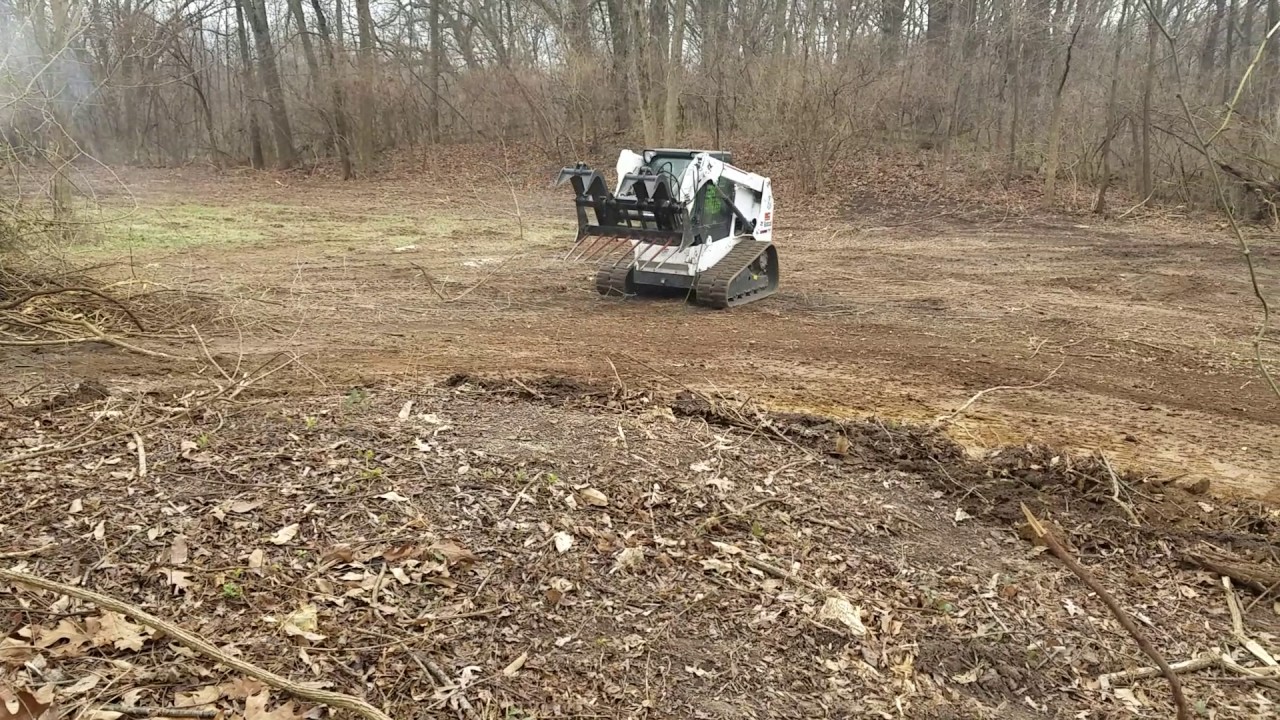
Forestry mulching entails making use of specialized equipment to erode trees, brush, and various other plant life right into mulch. This procedure leaves a layer of natural product that can help improve the dirt while protecting against disintegration and promoting biodiversity. Unlike burning, which releases carbon dioxide and particulates into the environment, forestry mulching uses a much more earth-friendly solution.
The Importance of Land Clearing Services
Land clearing up solutions play an essential role in farming development, urban planning, and forest monitoring. As populations expand and city areas increase, the requirement for reliable land monitoring comes to be crucial. Companies that clear land need to evaluate their alternatives very carefully to ensure they pick methods that line up with sustainability goals while still achieving their functional objectives.
Forestry Mulching vs. Burning: An Overview
When contrasting forestry mulching to traditional burning techniques for land clearing, it's vital to take into consideration a number of factors-- including expense, performance, ecological influence, and long-lasting sustainability.
Pros of Forestry Mulching
1. Environmentally Friendly Approach
One of the most significant advantages of forestry mulching is its minimal influence on the setting compared to burning. While burning releases damaging emissions into the environment-- contributing to air pollution and environment adjustment-- mulching minimizes these dangers by recycling biomass back right into the ecosystem.
2. Dirt Wellness Improvement
The compost created throughout forestry clearing works as an all-natural fertilizer when decomposed. This procedure helps improve dirt framework by enhancing wetness retention while supplying nutrients vital for plant growth.
3. Disintegration Prevention
Mulch created through forestry mulching can efficiently avoid dirt disintegration by serving as a protective obstacle against wind and water runoff. This is particularly vital in sloping or sloped surfaces where erosion can quickly come to be an issue.
4. Cost-Effectiveness Over Time
While preliminary expenses may seem more than conventional burning methods, forestry mulching can https://telegra.ph/Situation-Studies-Successful-Tasks-by-Leading-Land-Clearing-Companies-11-13 be much more economical with time due to reduced site reconstruction requirements and enhanced soil health outcomes.
5. Habitat Preservation
By keeping some vegetation as opposed to totally eliminating it through burning or clear-cutting methods, forestry mulching helps preserve habitats for different species-- promoting biodiversity within an ecosystem.
6. Minimized Fire Hazards
Forest administration regularly involves minimizing excess brush or brushwood that could fuel wildfires; by changing burning with forestry mulching, you get rid of fire hazards without releasing unsafe smoke into the air.
Cons of Forestry Mulching
1. Equipment Costs
One drawback is that purchasing customized equipment for forestry mulching can be expensive ahead of time for firms providing land clearing services-- especially smaller sized operations that might not have access to considerable capital.
2. Limited Applicability in Some Surface Types
In specific settings-- such as wetlands or locations with tough gain access to-- forestry mulching could not be feasible without running the risk of more damages or issues from heavy equipment use.
3. Prospective Dirt Compaction Risks
If not carried out correctly or if machinery is overly hefty for delicate soils, there's possibility for soil compaction-- which could adversely affect future growing efforts.

4. Need for Experienced Operators
Effective execution needs knowledgeable operators accustomed to both tools operation and eco-friendly factors to consider-- a difficulty in areas where training resources might be limited.
5. First Landscape Change Concerns
For some people accustomed to conventional landscape visual appeals (like open fields), introducing mulch layers can change visual appeal briefly until natural processes return balance back into view.
Forestry Mulching vs Burning: A Relative Analysis
|Factors|Forestry Mulching|Burning|| -----------------------|-------------------------------------------|------------------------------------------|| Ecological Impact|Very little emissions; advertises biodiversity|High exhausts; diminishes oxygen|| Dirt Health|Enhances nutrients; boosts structure|Degrades topsoil|| Erosion Control|Reduces erosion risk|May aggravate disintegration|| Cost|Higher upfront but cost savings gradually|Lower preliminary expense|| Environment Security|Preserves wildlife habitats|Damages habitats|
Forestry Mulching as an Alternate to Burning: Benefits And Drawbacks Clarified Further
As we dig much deeper into this subject of "Forestry Mulching as an Alternative to Burning: Advantages And Disadvantages," it is necessary to highlight exactly how these 2 methods vary essentially-- not simply in terms of technique yet also concerning their ramifications on our world's health.
Burning typically leaves behind ash residue which ultimately breaks down yet does not contribute favorably towards nutrient cycling within ecological communities immediately adhering to task completion; on the other hand-- with mulch left undamaged-- the decay process proactively includes value back right into dirts in time leading in the direction of much healthier landscapes!
Furthermore-- when considering habitat conservation-- it's important we recognize exactly how wildlife interacts with environments post-clearing operations! For instance: lots of creatures depend upon particular types/amounts vegetation cover offered naturally by native plants-- we must ask ourselves whether we're doing sufficient protecting such fragile balances preserved across landscapes?
In final thought-- it becomes obvious why attentively choosing techniques like "forestry mulching" enables us higher possibilities promoting lasting techniques ensuring lasting practicality maintaining healthy and balanced communities together with human advancement campaigns!
FAQs
1. What is woodland clearing? Forest cleaning refers to the elimination of trees and plants from a location usually for farming use or growth purposes.
2. Just how does forestry mulching work? Forestry mulchers utilize heavy-duty equipment geared up with specialized blades that erode trees and brush into great mulch without needing entire removal.
3. Is forestry mulching ecologically friendly? Yes! Compared with burning which releases hazardous exhausts right into our ambience-- forestry mulchers advertise environmental wellness through nutrient recycling.

4. Can I execute my own forestry clearance? While some individuals may attempt DIY approaches using consumer-level tools-- it's a good idea engaging professionals experienced within commercial-grade devices makes certain effectiveness without damaging bordering ecosystems.
5. What are some companies that clear land making use of advanced techniques? Numerous respectable firms specialize in lasting techniques including those concentrated on innovative modern technologies such as aerial studies combined with effective ground-based solutions!
6. What are extra benefits past those already mentioned? Fringe benefits consist of enhanced building appearances through all-natural landscape design layouts implemented by means of mindful upkeep including natural products left after procedures complete!
Conclusion
Navigating the complexities surrounding land clearing needs thoughtful consideration in between instant end results versus lasting repercussions affecting our atmosphere generally! The discussion centered around "Forestry Mulching as an Alternate to Burning: Pros And Cons" stresses crucial conversations needed involve areas focusing on sustainability relocating forward!
By embracing techniques rooted firmly within eco-conscious frameworks like reliable use existing resources available today-- we cultivate much healthier relationships between nature & & humankind making certain future generations acquire prospering communities qualified supporting varied life types existing harmoniously together!
This thorough exploration highlights both sides of using forestry mulching versus standard burning strategies while supplying important understandings aimed at improving understanding throughout numerous stakeholders involved within these fields!